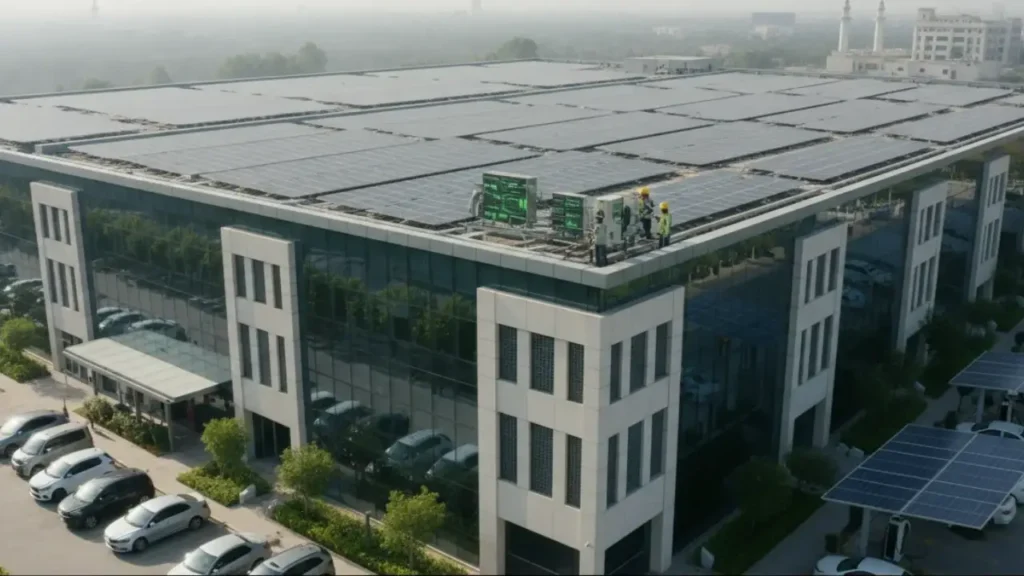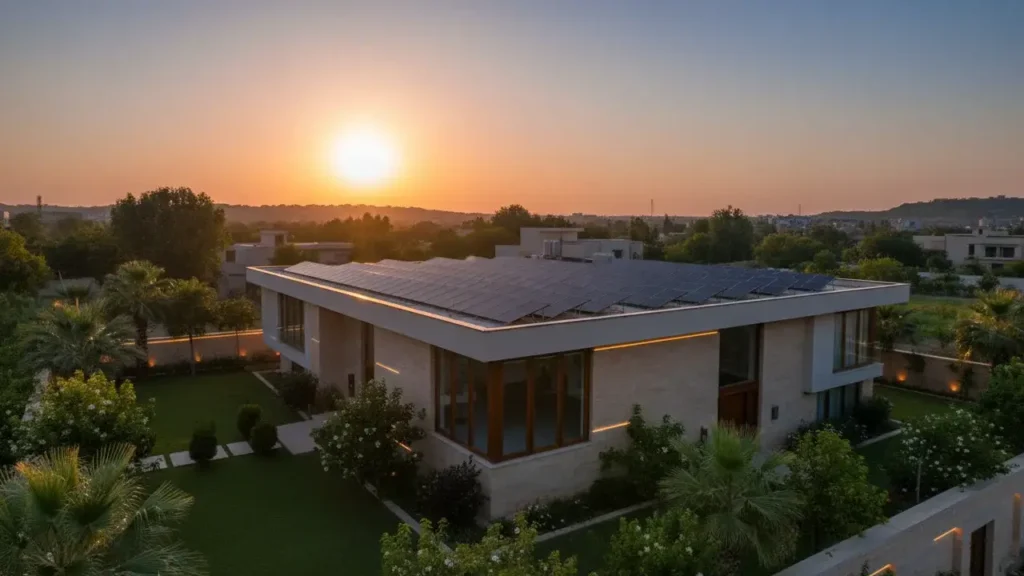
Pakistan’s growing electricity crisis, increasing utility bills, and frequent power outages have pushed thousands of homeowners toward solar energy solutions. In 2026, solar technology has become more efficient, affordable, and practical for residential use across Pakistan. Whether you live in Lahore, Karachi, Islamabad, Faisalabad, Multan, or rural areas facing long hours of load shedding, installing a solar system can significantly reduce your electricity expenses and provide reliable backup power.
The best solar energy solutions for Pakistani homeowners include hybrid solar systems, grid-tied systems, and off-grid setups equipped with high-efficiency solar panels, durable inverters, and advanced battery storage solutions. Brands like Longi Solar, Jinko Solar, Trina Solar, Canadian Solar, Huawei, and Fronius are becoming increasingly popular due to their performance and long-term reliability.
Why Solar Energy Is Becoming Popular in Pakistan
Electricity tariffs in Pakistan continue to rise every year, making monthly utility bills difficult for many households. Solar energy offers a practical and long-term solution that allows homeowners to generate their own electricity using sunlight.
With improved government policies and growing awareness about renewable energy, many families are now investing in solar systems to reduce dependency on traditional electricity providers.
The main reasons why Pakistani homeowners are switching to solar energy include:
- Lower electricity bills
- Backup during load shedding
- Net metering opportunities
- Environmentally friendly power generation
- Long-term savings
- Low maintenance requirements
- Increase in property value
Types of Solar Energy Systems for Pakistani Homes
Before investing in solar panels, it is important to understand the different types of solar systems available in Pakistan.
1. Grid-Tied Solar System
A grid-tied solar system is directly connected to the national electricity grid. This setup allows homeowners to use solar energy during the daytime and switch to grid electricity at night.
These systems are highly popular in urban areas where electricity supply is relatively stable.
Key Benefits:
- Lower installation cost
- Supports net metering
- No large battery investment required
- Reduced electricity bills
- Efficient for daytime electricity usage
Best For: Homes in major cities with fewer power outages.
2. Off-Grid Solar System
An off-grid solar system operates independently without relying on WAPDA or the national grid. It uses batteries to store electricity generated during the day.
This solution is ideal for remote areas where grid electricity is unavailable or unreliable.
Key Benefits:
- Complete energy independence
- Reliable backup power
- No dependency on utility companies
- Useful for villages and rural homes
Best For: Rural areas and locations with severe load shedding.
3. Hybrid Solar System
The hybrid solar system is currently the most preferred option for Pakistani homeowners because it combines the advantages of both grid-tied and off-grid systems.
Hybrid systems use solar panels, batteries, and grid connectivity together. During the daytime, the system powers the home and charges batteries. At night or during outages, batteries provide backup electricity.
Key Benefits:
- Works during load shedding
- Supports net metering
- Stores excess energy in batteries
- Reduces electricity bills significantly
- Provides uninterrupted power supply
Best For: Pakistani households facing frequent power outages.
Main Components of a Residential Solar System
The performance and lifespan of a solar energy system depend heavily on the quality of its components.
Solar Panels
Solar panels convert sunlight into electricity. In Pakistan, monocrystalline panels are widely recommended due to their high efficiency and better performance in hot weather conditions.
Popular Solar Panel Brands:
- Longi Solar
- Jinko Solar
- Trina Solar
- Canadian Solar
- JA Solar
Solar Inverters
Inverters convert DC electricity from panels into AC electricity used by home appliances.
Popular Inverter Brands:
- Huawei
- Fronius
- Growatt
- Solis
- Inverex
Solar Batteries
Batteries store excess electricity for nighttime use or power outages. Lithium-ion batteries are becoming increasingly popular because of their longer lifespan and faster charging capabilities.
Mounting Structures
Solar mounting structures hold the panels securely on rooftops. Good-quality structures can withstand Pakistan’s extreme heat and strong winds.
Charge Controllers
Charge controllers regulate battery charging and protect batteries from overcharging or damage.
Solar System Specifications Table
How to Choose the Right Solar System for Your Home
Selecting the right solar setup requires proper planning and evaluation. Homeowners should consider the following factors before installation:
Analyze Monthly Electricity Consumption
Review your electricity bills to understand how many units your household consumes every month. This helps determine the required system size.
Check Available Roof Space
Most residential systems require around 100–150 square feet of roof space per kilowatt.
Compare Solar Companies
Always compare quotations from multiple solar installers. Look for warranties, customer reviews, certifications, and after-sales support.
Choose Reliable Equipment
Using certified and branded equipment improves efficiency and ensures long-term durability.
Understand Net Metering
Net metering allows homeowners to sell extra electricity back to the national grid, reducing overall electricity costs.
Solar Installation Process in Pakistan
The installation process typically includes the following steps:
Site Inspection
Experts evaluate roof conditions, shading issues, and electricity consumption.
System Design
The installer designs a customized solar system based on your energy needs.
Equipment Procurement
Solar panels, inverters, batteries, and mounting structures are purchased and prepared.
Installation & Wiring
Technicians install panels, connect wiring, and configure the inverter system.
Testing & Activation
The system undergoes performance testing before final activation.
Maintenance Tips for Better Solar Performance
Solar systems require minimal maintenance, but proper care improves efficiency and lifespan.
- Clean solar panels every 2–3 months
- Monitor inverter performance regularly
- Inspect batteries for damage
- Schedule annual maintenance checks
- Remove dust and debris from panels
Challenges Pakistani Homeowners May Face
Despite its advantages, solar energy also comes with certain challenges.
- High initial installation cost
- Limited roof space in small homes
- Dust accumulation reducing efficiency
- Lower winter performance
- Battery replacement costs over time
However, hybrid systems and improved solar technology are helping overcome many of these challenges.
Future of Solar Energy in Pakistan
The future of solar energy in Pakistan looks promising. Falling solar panel prices, rising electricity tariffs, and increasing public awareness are driving rapid adoption across residential sectors.
Government initiatives supporting renewable energy and net metering are also encouraging homeowners to invest in solar systems. Experts believe solar energy will play a major role in Pakistan’s energy infrastructure over the next decade.
Conclusion
The best solar energy solutions for Pakistani homeowners in 2026 include hybrid, grid-tied, and off-grid systems designed to reduce electricity bills and provide reliable backup power. Hybrid systems remain the most practical choice for most households because they offer the perfect balance between savings and uninterrupted electricity.
By selecting quality components, hiring experienced installers, and understanding your household energy needs, solar energy can become a smart long-term investment for your home. With proper maintenance and net metering benefits, Pakistani homeowners can enjoy affordable and sustainable electricity for many years.
FAQs
1. Which solar system is best for Pakistani homeowners?
Hybrid solar systems are considered the best option because they provide backup during load shedding while supporting net metering.
2. How much does a 5kW solar system cost in Pakistan?
A 5kW solar system in Pakistan typically costs between PKR 700,000 and PKR 1,200,000 depending on equipment quality and battery capacity.
3. How long do solar panels last?
Most high-quality solar panels last between 20 and 25 years with proper maintenance.
4. Can homeowners sell electricity back to WAPDA?
Yes, homeowners can sell surplus electricity through net metering after approval from relevant authorities.
5. Do solar panels work during cloudy weather?
Yes, solar panels still generate electricity on cloudy days, although efficiency may be slightly reduced.

My name is Kashif Khan, and I am the founder of Solar Price Asia. I created this platform to share accurate and up-to-date information about solar panel prices in Pakistan. I regularly research the market to provide the latest rates of top solar brands, along with useful guides about solar systems, inverters, and batteries.